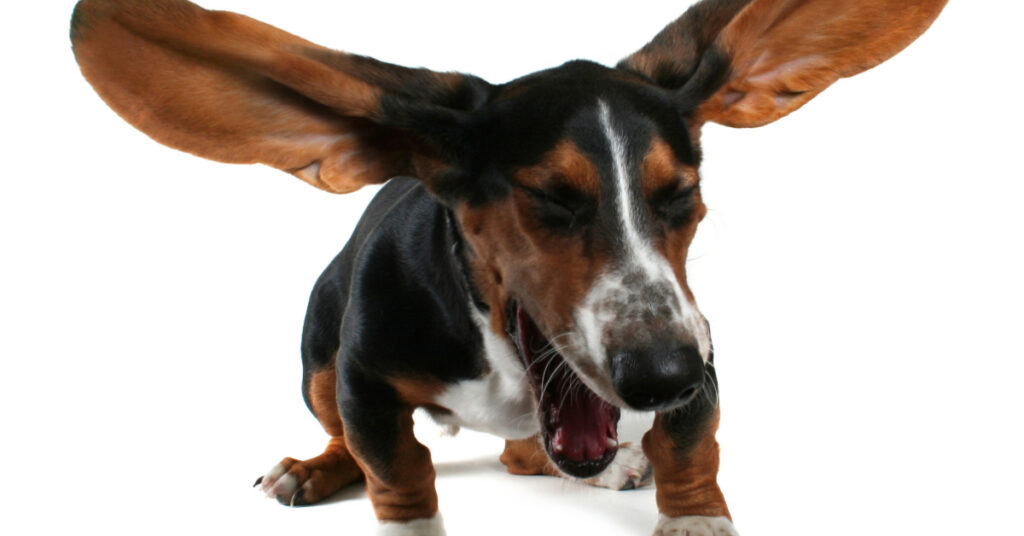
Dog sneezing is usually caused by allergies, environmental irritants like dust or pollen, or something physically lodged in the nasal passage, and figuring out which one is behind your dog’s sneezing often comes down to timing, frequency, and any accompanying symptoms. While an occasional sneeze is nothing to worry about, frequent or sudden sneezing fits can signal something that needs a closer look.
Why Do Dogs Sneeze?
Sneezing is your dog’s way of clearing irritants from the nasal passages, similar to how it works in people. A single sneeze here and there, especially after sniffing something dusty or strong-smelling, is completely normal. It’s when dog sneezing becomes repetitive, persistent, or paired with other symptoms that it points toward an underlying issue.
Common Causes of Dog Sneezing
Because so many things can irritate a dog’s nose, narrowing down the cause often requires paying attention to patterns.
Seasonal and Environmental Allergies
Pollen, mold, and dust can trigger allergy-related sneezing in dogs, often alongside watery eyes or itchy skin. In Colorado Springs, seasonal shifts in pollen levels can make allergy-driven dog sneezing more noticeable during certain times of year.
Irritants and Strong Scents
Household cleaning products, perfumes, scented candles, and cigarette smoke can all irritate a dog’s sensitive nasal passages, leading to sudden sneezing fits when exposed.
Foreign Objects in the Nose
Grass seeds, foxtails, and small debris can become lodged in a dog’s nostril, causing intense, repeated sneezing, often paired with pawing at the nose or nasal discharge on one side only.
Nasal Infections
Bacterial, viral, or fungal infections in the nasal passages can cause ongoing sneezing along with thick or discolored nasal discharge, and sometimes a noticeable odor.
Dental Disease
The roots of a dog’s upper teeth sit close to the nasal cavity, so advanced dental disease or an abscessed tooth can sometimes trigger sneezing on the affected side.
Nasal Tumors
While less common, nasal tumors can cause chronic, one-sided sneezing, particularly in older dogs, and may be accompanied by nosebleeds or facial swelling over time.
Reverse Sneezing vs. Regular Sneezing
Many dog owners mistake reverse sneezing for a more serious problem, when it’s actually a distinct and usually harmless event. Reverse sneezing involves rapid, snorting inhalations through the nose, often triggered by excitement or pulling on a leash, and typically resolves within a minute. Regular sneezing pushes air outward and tends to be more repetitive when caused by allergies or irritants.
Signs Your Dog’s Sneezing Needs Veterinary Attention
While occasional sneezing rarely needs intervention, certain patterns suggest it’s time to schedule a visit:
- Sneezing that’s consistently one-sided rather than from both nostrils
- Nasal discharge that’s thick, yellow, green, or blood-tinged
- Sneezing combined with facial swelling, pawing at the nose, or visible discomfort
- Sneezing fits that have continued for more than a week without improvement
- Decreased appetite or lethargy alongside frequent sneezing
How Cheyenne Mountain Animal Hospital Evaluates Dog Sneezing
When a dog is brought in for chronic or unusual sneezing, our veterinarians start with a thorough exam of the nose, mouth, and face, looking for asymmetry, discharge, or signs of an obstruction. Depending on the findings, diagnostics may include dental X-rays, nasal imaging, or in some cases a referral for rhinoscopy to look inside the nasal passages directly. Identifying whether dog sneezing stems from allergies, an irritant, or something more serious shapes the entire treatment approach.
Reducing Sneezing Triggers at Home
While some causes of dog sneezing require veterinary treatment, owners can often reduce exposure to common irritants by using unscented cleaning products, keeping dogs away from freshly mowed lawns during high pollen periods, and checking for grass seeds after time spent in tall grass or brush, which is common in many areas around Colorado Springs.
Helping Your Dog Breathe Clearly in Colorado Springs
A sneeze here and there is simply part of being a dog, but a sudden change in frequency or intensity is worth paying attention to. If your dog’s sneezing seems excessive, one-sided, or paired with other symptoms, call us at (719) 475-1314 or book an appointment online. Our team at Cheyenne Mountain Animal Hospital can help pinpoint the cause and get your dog comfortable again.