
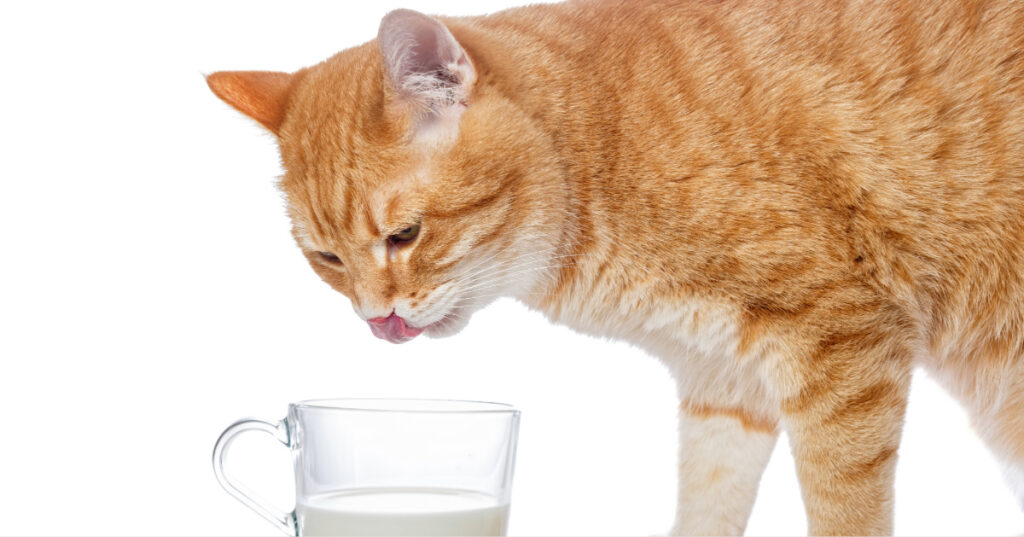
The image of a contented cat lapping from a bowl of milk is one of the most enduring clichés in pet ownership, but the reality may surprise you. Despite how natural it seems, most cats should not drink cow’s milk, and many cats will actually feel quite unwell after they do. While it’s true that cats may enjoy the taste of milk, that enjoyment doesn’t mean it’s good for them. Most adult cats are lactose intolerant, meaning their digestive systems cannot properly break down the lactose found in cow’s milk. Below, we’ll discuss why cats and dairy don’t always mix, what happens when a cat drinks milk, and whether any dairy is safe for cats to help you make better decisions for your feline companion’s health and well-being.
Why Most Cats Are Lactose Intolerant
Kittens are born with the enzyme lactase, which is necessary to break down lactose, the natural sugar found in milk. During nursing, this enzyme helps kittens digest their mother’s milk effectively. However, as cats mature and transition to solid food, the production of lactase decreases significantly. By the time most cats reach adulthood, they no longer produce enough lactase to properly digest the lactose in cow’s milk or other dairy products.
This is a completely natural biological process, not a deficiency or health problem. The result is that when an adult cat drinks cow’s milk, the undigested lactose passes into the large intestine where it ferments, causing digestive symptoms that range from mildly uncomfortable to quite unpleasant for the cat.
What Happens When a Cat Drinks Cow’s Milk?
Not every cat will react the same way after drinking cow’s milk, but many will show signs of digestive upset within hours of consumption. The severity of the reaction depends on the individual cat’s level of lactase production and how much milk they consumed.
Potential Digestive Symptoms
The most commonly reported symptoms in cats after drinking cow’s milk include diarrhea, loose stools, vomiting, and abdominal discomfort. Some cats may also experience increased flatulence or bloating. These symptoms are a direct result of undigested lactose fermenting in the digestive tract, and they typically resolve once the dairy is out of the cat’s system.
While these symptoms are not life-threatening in most cases, they can cause real discomfort for your cat and may lead to dehydration if diarrhea is prolonged. Kittens and older cats are more vulnerable to dehydration than healthy adult cats. If your cat is showing persistent symptoms after consuming dairy, it’s a good idea to contact your veterinarian at Cheyenne Mountain Animal Hospital.
Some Cats Tolerate Dairy Better Than Others
It’s worth noting that lactose intolerance exists on a spectrum, and some cats may be able to tolerate small amounts of dairy without obvious digestive issues. A cat that seems to handle milk without symptoms is not necessarily unaffected at a cellular level, and regular consumption can still cause problems over time. Some cats may also be genuinely allergic to the proteins in cow’s milk, which is separate from lactose intolerance and can cause skin reactions, itching, and more persistent gastrointestinal issues. If you’ve been giving your cat dairy regularly and want to know whether it’s causing any harm, a conversation with your veterinarian is the best way to get personalized guidance for your specific cat.
What About Kittens and Milk?
When people wonder, “Can cats drink milk?”, kittens often come to mind first. While kittens are designed to drink their mother’s milk during nursing, cow’s milk is still not the ideal substitute, even for young kittens. The nutritional composition of cow’s milk does not match that of cat’s milk, and feeding cow’s milk to an orphaned or rejected kitten can actually cause nutritional deficiencies.
If you are caring for a kitten that needs supplemental feeding, specially formulated kitten milk replacer is the appropriate choice and is available through veterinary offices and pet supply stores. Always consult your veterinarian if you are responsible for feeding a very young kitten. Getting professional guidance early makes a significant difference in a kitten’s growth and development.
Are Any Dairy Products Safe for Cats?
Small amounts of certain dairy products may be less problematic for some cats than others. Cheeses that are lower in lactose, such as hard aged cheeses, and plain yogurt containing live cultures may be tolerated by some cats in very small quantities. However, this doesn’t mean these foods should become a regular part of your cat’s diet. Cats are obligate carnivores, meaning their nutritional needs are met primarily through animal-based protein, not dairy or carbohydrates.
Dairy products are not a necessary or recommended component of a cat’s balanced diet. If you want to treat your cat, there are many commercially available cat treats formulated specifically to meet their nutritional needs and dietary sensitivities. Your vet can help you identify safe, appropriate options.
What Your Cat Should Drink Instead
The one liquid your cat truly needs is fresh, clean water, and making sure your cat drinks enough of it is one of the most important things you can do for their health. Many cats have a naturally low thirst drive, which can make staying adequately hydrated a challenge. Some cats prefer running water and may drink more readily from a pet fountain. Others may benefit from wet food, which has a high moisture content and contributes to daily hydration. If you’re concerned your cat isn’t drinking enough water, your veterinarian can offer practical strategies tailored to your cat’s habits and preferences. For any questions about your cat’s diet, hydration, or overall health, the caring team at Cheyenne Mountain Animal Hospital is here for you. Call us at (719) 475-1314 or book an appointment online today.