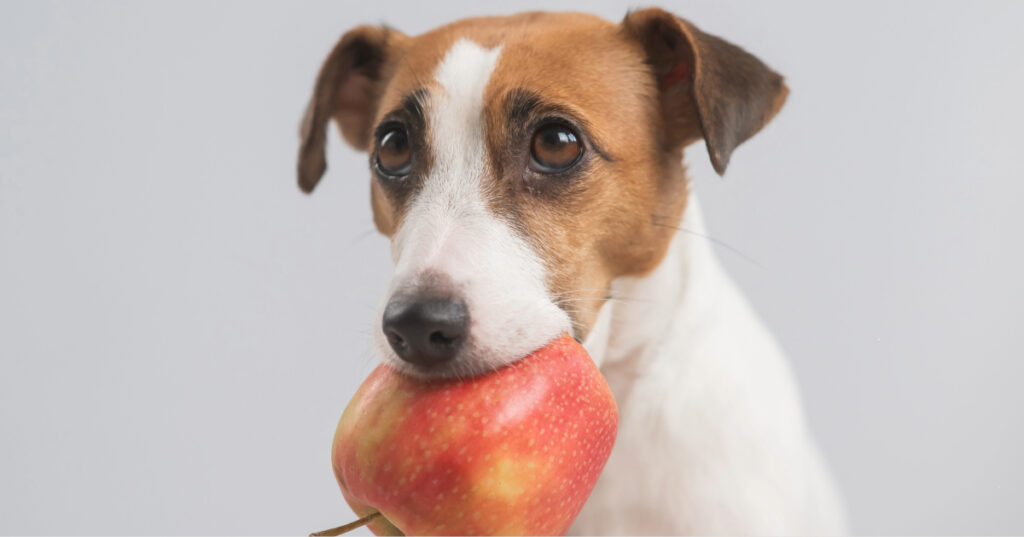
Good news for apple lovers and their four-legged companions: dogs can absolutely eat apples, and many dogs go absolutely wild for them. Apples are a crunchy, sweet, low-calorie snack that can be a healthy addition to your dog’s diet when prepared correctly. That said, there are a few important things every pet owner should know before tossing a slice to their pup. From the nutritional benefits to the parts of the apple that are off-limits, this guide covers everything you need to know about feeding apples to your dog safely. Whether you’ve been offering your dog apple slices for years or you’re wondering for the first time, “Can dogs eat apples?”, keep reading because the details really do matter.
Are Apples Good for Dogs? The Nutritional Benefits
Apples offer a surprisingly solid nutritional profile for dogs, especially as an occasional treat. They contain vitamins A and C, both of which support immune health and skin condition in dogs. Apples are also a good source of dietary fiber, which can aid in healthy digestion and help dogs feel full between meals. Because they are relatively low in protein and fat, apples are a smart snack choice for dogs on a weight management plan or those with certain dietary restrictions.
The natural sugars in apples provide a quick energy boost without the artificial additives found in many commercial dog treats. Chewing on apple slices can even help clean your dog’s teeth and freshen their breath, making this a functional snack as well as a tasty one.
What Parts of the Apple Are Safe for Dogs?
Not all parts of an apple are created equal when it comes to your dog’s safety. Understanding which parts are safe and which to avoid is essential before offering this fruit as a snack.
The Flesh: Safe and Nutritious
The fleshy part of the apple is the safe, nutritious portion your dog can enjoy. Whether you offer red, green, or yellow apple varieties, the flesh of the fruit is generally well-tolerated by dogs of all sizes. You can serve it raw, diced into small pieces, or even mixed into your dog’s regular food as a topper. Just make sure to remove the skin if your dog has a sensitive stomach, as the added fiber can sometimes cause mild digestive upset in dogs that aren’t used to it. Dogs who are new to eating apples should start with a small amount to ensure the fruit agrees with their digestive system. Once you know your dog tolerates apples well, a few slices a few times per week makes for a perfectly healthy treat.
The Core and Seeds: Not Safe for Dogs
The apple core should always be removed before giving apples to dogs. Apple seeds contain a compound called amygdalin, which releases cyanide when digested. While a single seed is unlikely to cause serious harm, regular consumption of apple seeds can be dangerous for dogs over time. The core itself also poses a choking hazard, especially for small breeds or dogs that tend to gulp their food without chewing. The stem should also be discarded, as it offers no nutritional value and can be difficult for dogs to chew and swallow safely. Always take the extra minute to properly prepare apple slices for your pup.
How Much Apple Can a Dog Eat?
Moderation is key when it comes to feeding apples to dogs, as it is with any treat. Treats of all kinds should make up no more than 10 percent of your dog’s daily caloric intake, and apples are no exception. For a small dog, one or two apple slices per day is plenty. Larger breeds can handle a bit more, but even then, offering a small handful of slices a few times a week is a reasonable approach.
Overfeeding apples can lead to digestive issues like diarrhea or an upset stomach, mainly because of the fruit’s sugar and fiber content. Dogs with diabetes or other metabolic conditions should only eat apples under the guidance of a veterinarian, as the natural sugar content can affect blood glucose levels. When in doubt, check with your vet about the right serving size for your individual dog.
Can Puppies Eat Apples?
Puppies can eat apples, but extra care is needed when introducing any new food to a young dog’s diet. A puppy’s digestive system is still developing, which makes it more sensitive to sudden dietary changes. When offering apples to a puppy for the first time, start with just one small piece and monitor for any signs of digestive upset, such as loose stool, vomiting, or excessive gas. If your puppy tolerates the apple without issue, you can gradually offer it as an occasional treat. Always remove the core, seeds, and stem before serving, just as you would for an adult dog. If you’re ever unsure about what’s appropriate for your puppy’s diet at their current stage of development, your veterinarian is your best resource.
Signs Your Dog May Have Eaten Too Much Apple
If your dog gets into a bag of apples or eats more than their fair share, you may notice some digestive discomfort. Common signs that a dog has eaten too much apple include diarrhea, loose stools, vomiting, and an uncomfortable belly. These symptoms are usually mild and resolve on their own within a day or two once the excess fruit passes through their system.
However, if your dog has eaten a large number of apple seeds, swallowed an entire core, or is showing signs of distress, it is important to contact your veterinarian right away. Symptoms like lethargy, labored breathing, or repeated vomiting following apple consumption warrant a prompt veterinary evaluation. Never wait to see if serious symptoms resolve on their own.
Talking to Your Vet About Your Dog’s Diet
Every dog is different, and what works as a healthy snack for one dog may not be suitable for another. Dogs with existing health conditions, allergies, or weight concerns may need more personalized dietary guidance before you add new foods to their routine. Your veterinarian is the most qualified person to help you make smart, safe choices about your dog’s nutrition. If you have questions about whether apples or other fruits are appropriate for your specific dog, we encourage you to reach out. At Cheyenne Mountain Animal Hospital, our team is always happy to help guide you toward the best nutritional choices for your pet. Call us today at (719) 475-1314 or book an appointment online to speak with one of our experienced veterinarians.