
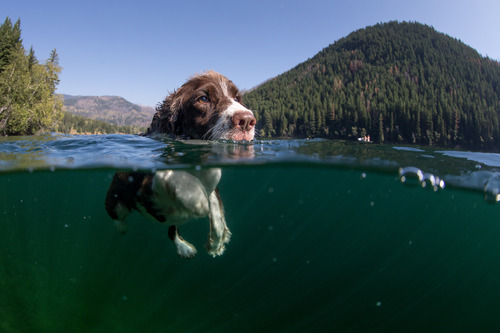
Many people assume that all dogs are natural swimmers, but the truth is more nuanced. While some breeds take to the water effortlessly, others struggle or even face danger when they try to swim. So, can dogs swim? The answer depends on the individual dog: their breed, physical structure, confidence level, and experience with water all play a part. Before you let your dog dive in, it’s important to understand what makes swimming safe and enjoyable for some dogs and challenging for others.
If you plan to introduce your dog to the water this season, the team at Cheyenne Mountain Animal Hospital in Colorado Springs, CO, can help guide you through what to consider for your dog’s safety and comfort. Call (719) 475-1314 or book an appointment online for personalized advice and preventive care before your next water adventure.
Can Dogs Swim Naturally?
Some dogs can swim naturally, while others cannot. Many breeds instinctively “dog paddle” when they enter water, moving their legs in a way that keeps them afloat. However, natural ability doesn’t mean every dog is suited to swimming safely or for long periods. Dogs with certain physical traits like broad chests, short legs, or short snouts may find swimming difficult or tiring.
Breeds That Excel in the Water
Breeds such as Labrador Retrievers, Golden Retrievers, Newfoundlands, and Portuguese Water Dogs have strong, muscular builds and water-resistant coats that make swimming easier. These breeds were historically bred to retrieve game or assist fishermen, which contributes to their natural comfort in water.
Breeds That Struggle to Swim
On the other hand, brachycephalic breeds (those with short noses and flat faces) such as Bulldogs, Pugs, and Boston Terriers, often have trouble breathing and staying afloat. Their body shape doesn’t support natural buoyancy. Similarly, dogs with short legs, like Dachshunds or Corgis, may lack the power to propel themselves efficiently through water. Even if your dog’s breed is known for being a good swimmer, individual differences matter. Some dogs may fear water or lack the stamina for long swims, so observation and patience are key.
What Makes Swimming Difficult for Some Dogs?
Swimming might look simple, but it requires coordination, endurance, and confidence. Dogs that are anxious, overweight, or have mobility issues may struggle more than others.
Physical Limitations
Dogs with short muzzles, dense bodies, or heavy heads can tire quickly because they need to work harder to keep their airways above water. Older dogs and those with joint issues, such as arthritis or hip dysplasia, might also find it painful to paddle or stay upright.
Fear and Inexperience
Many dogs fear water simply because they haven’t been exposed to it before. Loud splashing, the sensation of being unsupported, or deep water can cause anxiety. This fear can lead to panic, which makes swimming unsafe. Taking time to introduce your dog to shallow, calm water helps build their comfort and confidence.
How to Safely Introduce Your Dog to Swimming
Before you ask, “Can dogs swim?” in a practical sense, the first step is ensuring your dog feels safe around water. Introducing them properly can make all the difference.
- Start Slowly: Begin in shallow water where your dog can comfortably stand. Allow them to explore at their own pace. Encourage them with treats and positive reinforcement, but never force them into deeper areas. As they gain confidence, gradually lead them farther out.
- Use Proper Equipment: A dog life jacket is an essential safety tool, especially for beginners or breeds that struggle to swim. Choose a vest with a snug fit and a sturdy handle on top so you can lift your dog out of the water if needed. Many dogs feel more secure wearing one, which can help them relax and enjoy the experience.
- Choose Safe Swimming Locations: Select calm bodies of water, such as lakes, slow-moving rivers, or pools with easy exits. Avoid strong currents, steep drop-offs, and cold temperatures. If you’re visiting a public lake or beach near Colorado Springs, make sure dogs are allowed and that water quality is safe for swimming.
Safety Precautions for Dogs Around Water
Even dogs that swim well can get into trouble in the water. Understanding and preventing common hazards is an important part of being a responsible pet parent.
Supervision Is Non-Negotiable
Never leave your dog unattended near water. Even experienced swimmers can tire, get caught in a current, or accidentally ingest water. Always keep an eye on their body language: heavy panting, frantic paddling, or attempts to climb out could signal fatigue.
Prevent Water Intoxication
Dogs that play or fetch repeatedly in water may swallow excessive amounts, leading to a condition known as water intoxication. This can dilute electrolytes and cause serious health issues. Keep swim sessions short and give your dog regular breaks on dry land.
Rinse and Dry After Every Swim
After swimming, rinse your dog thoroughly to remove chlorine, salt, or algae, which can irritate their skin and coat. Dry their ears gently to prevent moisture buildup that could lead to infections, especially in floppy-eared breeds like Spaniels and Retrievers.
Recognizing When Your Dog Has Had Enough
Just like humans, dogs can overexert themselves while swimming. Watch for early signs that your dog is tired or uncomfortable.
Signs of Fatigue or Distress
If your dog starts paddling unevenly, lowering their head, or showing signs of panic, guide them to shallow water immediately. Trembling, coughing, or excessive panting after swimming can indicate exhaustion. Always allow for rest between swim sessions, and provide fresh water to drink afterward.
The Importance of Post-Swim Care
After a swim, monitor your dog for any signs of skin irritation, ear discomfort, or unusual behavior. If something seems off, contact Cheyenne Mountain Animal Hospital for guidance. While most post-swim issues are mild, prompt care helps prevent complications.
How to Help Your Dog Build Confidence in the Water
If your dog hesitates to swim, patience and consistency can help. Many dogs simply need time to adjust and positive experiences to overcome their hesitation.
Make It Fun
Turn swimming into a game with floating toys or gentle fetch activities. Praise your dog for every small success: standing in the water, paddling a short distance, or staying calm. Keeping the mood light reinforces that water can be enjoyable.
Swim With Them
If your dog trusts you, step into the water with them. Your presence provides reassurance and helps them learn from your calm behavior. Guide them with gentle encouragement rather than pushing or pulling.
Keep Sessions Short
Short, frequent swim sessions build endurance over time. Once your dog associates swimming with fun, they’re more likely to approach it confidently in the future.
Preparing for a Water Adventure in Colorado Springs
Whether you’re planning a trip to a nearby lake or cooling off in your backyard pool, being prepared makes every aquatic adventure safer. Bring fresh drinking water, a towel, and your dog’s life jacket. Avoid letting your dog swim in areas with strong currents or unknown depths, and check the water temperature before they dive in.
If your dog is new to swimming, consider scheduling a wellness exam at Cheyenne Mountain Animal Hospital to ensure they’re physically ready for activity. Our team in Colorado Springs, CO, can help you plan safe outdoor experiences tailored to your dog’s needs. Call (719) 475-1314 or book an appointment online today before you hit the water with your canine companion.