
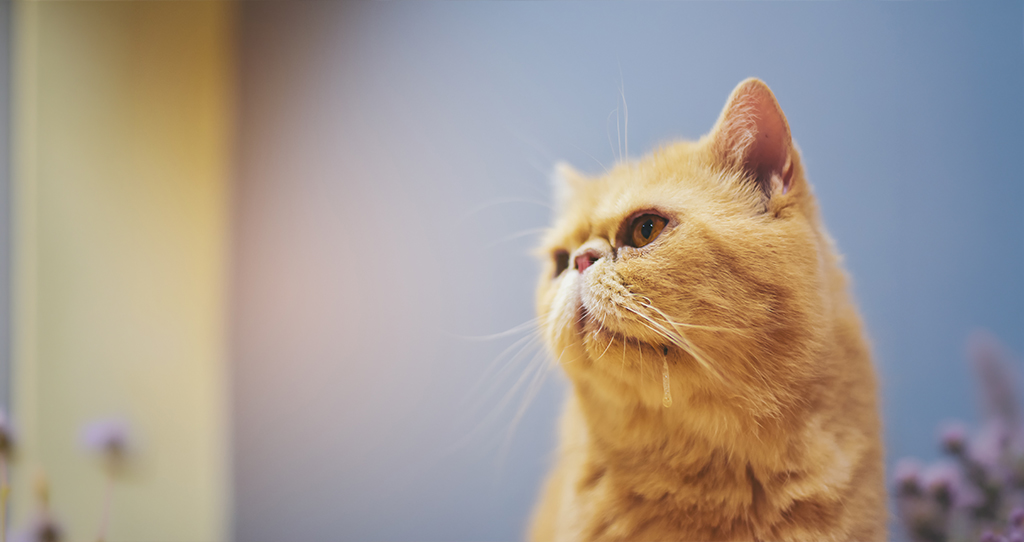
Cat drooling is often harmless and usually happens when a cat feels relaxed, content, or excited about food. However, cat drooling can also point to dental disease, nausea, toxin exposure, or an object stuck in the mouth, so the context matters. If you notice your cat suddenly salivating more than usual, you’re right to pay attention. Cats rarely drool the way dogs do, which means a damp chin often catches owners off guard.
At Cheyenne Mountain Animal Hospital in Colorado Springs, our team regularly helps cat owners figure out whether a little extra moisture around the mouth is a quirky habit or a sign of something that needs care. This guide walks you through the happy reasons cats drool, the situations that deserve a closer look, the medical issues that can trigger excess saliva, and the warning signs that mean it’s time to pick up the phone.
When Cat Drooling Is Simply Sweet
Some cat drooling has nothing to do with illness and everything to do with emotion.
Contentment and Kneading
Many cats drool when they feel completely at ease. You might see a few drops land on your lap while your cat purrs, kneads a blanket, or settles in for a long petting session. Veterinarians and behaviorists often link this habit to kittenhood. Nursing kittens knead their mother’s belly to stimulate milk flow, and that comforting routine triggers salivation. Some cats carry the association into adulthood, so a cozy moment with you sparks the same response.
Food Anticipation
Cats can drool when they smell a favorite meal or hear the can opener. This reaction works much like a person’s mouth watering at the scent of fresh bread. It typically stops once your cat starts eating or the excitement passes. Some cats also drool a bit after a satisfying grooming session or while dozing in a sunny window, which is just another sign of a relaxed, comfortable pet.
Happy, harmless drooling tends to share a few traits:
- It appears only during affection, purring, or mealtime anticipation
- The saliva looks clear and has no unusual odor
- Your cat eats, plays, and grooms normally the rest of the day
- The pattern has stayed the same for months or years
If your cat has always been a “happy drooler,” that history is reassuring. The bigger concern comes when the habit is brand new, gets heavier over time, or shows up in situations that have nothing to do with comfort or food. Mention any cat drooling, even the happy kind, at your next wellness visit so your veterinarian has a baseline to compare against later.
Cat Drooling Situations That Deserve a Second Look
Certain everyday events can trigger drooling that isn’t dangerous on its own but still warrants attention.
Stress, Fear, and Car Rides
Anxiety affects cats physically. A trip in the carrier, a car ride, a new pet in the household, or loud fireworks can all lead to temporary salivation. Motion sickness during travel often causes drooling, lip licking, and vocalizing. This type of cat drooling usually fades once your cat calms down in a familiar setting. If travel or vet visits consistently upset your cat, our team can talk with you about cat-friendly handling options before the next appointment.
Bitter Tastes
Cats have a strong reaction to bitter flavors. Licking an unfamiliar plant, chewing on a household item, or tasting an oral medication can cause sudden foaming or heavy drool. The reaction can look alarming, but the cause matters most here. A bitter but harmless taste is one thing. A toxic plant, chemical, or human medication is something else entirely.
Hot Weather and Overexertion
Colorado Springs summers can bring warm afternoons, and cats that overheat may drool or pant. Unlike dogs, cats don’t pant to cool off under normal circumstances, so open-mouth breathing plus drooling in a cat is unusual. Our higher altitude and dry air can also make cats more sensitive to heat and dehydration. Treat cat drooling paired with panting, weakness, or bright red gums as a reason to contact a veterinarian promptly.
When situational cat drooling pops up, ask yourself whether it lines up with an obvious trigger and whether it resolves quickly. If the answer to either question is no, a professional opinion is the safest next step. Stress-related cat drooling that happens again and again can also signal an anxious cat who would benefit from a conversation about long-term comfort strategies.
Hidden Health Concerns Behind Cat Drooling
When cat drooling isn’t tied to happiness or a passing trigger, an underlying medical issue is often responsible.
Dental and Oral Disease
Mouth problems are among the most frequent reasons cats drool. Studies suggest a large share of adult cats have some degree of dental disease by middle age. Painful conditions like gingivitis, tooth resorption, and stomatitis (severe inflammation of the mouth tissues) can all increase saliva. Cats are experts at hiding pain, so drooling may be one of the only outward clues. Oral tumors, ulcers, and injuries to the tongue or gums can produce similar signs.
Foreign Objects
String, thread, grass blades, and small toy pieces can get caught under the tongue, wedged between teeth, or lodged in the throat. A cat with something stuck in its mouth may drool heavily and paw at its face. Never try to pull string from a cat’s mouth yourself, since it may be anchored further down the digestive tract.
Nausea and Systemic Illness
Drooling frequently comes right before vomiting. Gastrointestinal upset, kidney disease, liver disease, and hairballs can all bring on nausea. Kidney disease is especially common in senior cats and can lead to mouth ulcers that make drooling worse.
Toxins and Respiratory Infections
Some causes of cat drooling are urgent, including:
- Lilies, which are extremely toxic to cats, including the pollen and vase water
- Household cleaners, essential oils, and certain flea products not labeled for cats
- Upper respiratory infections, such as feline calicivirus, which can cause painful mouth sores
- Electrical cord bites that burn the mouth
Only a veterinary exam can confirm which of these is behind the problem. Because several of these conditions look alike from the outside, persistent cat drooling deserves a professional evaluation rather than a wait-and-see approach.
Clues to Watch: Is It Normal or Not?
Paying attention to the details around cat drooling gives your veterinarian valuable information.
Timing and Onset
Sudden drooling in a cat that has never drooled before carries more weight than a long-standing habit. Note when it started, how often it happens, and whether anything changed recently, such as a new plant, cleaning product, or food.
Appearance of the Saliva
Clear, thin saliva during purring is very different from thick, ropey, foamy, or blood-tinged drool. A foul smell from the mouth often points toward dental disease or infection. Brown staining on the chin or front legs can mean the drooling has been going on longer than you realized. A wet, matted patch of fur under the jaw is another sign that cat drooling has become a regular occurrence rather than an occasional one.
Changes in Behavior
Look at the whole cat, not just the chin. Some signs suggest the drooling is part of a bigger problem:
- Dropping food, chewing on one side, or refusing dry kibble
- Pawing at the mouth or shaking the head
- Hiding, lethargy, or reduced interest in play
- A messy, unkempt coat from skipping grooming
- Weight loss or changes in thirst and urination
Is cat drooling on only one side of the mouth? That detail can point toward a problem with a specific tooth, a localized injury, or a nerve issue, so share it with your veterinarian.
Taking a short video of the drooling episode on your phone can help, too. Cats often behave differently in the exam room, so footage of what happens at home gives the veterinary team a clearer picture. Jot down any recent diet changes, new products in the house, and your cat’s appetite over the past few days before your visit.
When to Call the Vet: Trust Your Instincts
You know your cat’s personality and habits better than anyone, so if cat drooling seems off, trust that feeling. Call right away if the drooling started suddenly, is heavy or foamy, or comes with vomiting, trouble breathing, pawing at the mouth, collapse, or a refusal to eat. Suspected toxin exposure, especially lilies or chemicals, is always an emergency. For mild or slowly developing drooling, schedule an exam soon so a small dental issue doesn’t become a bigger one.
The veterinarians at Cheyenne Mountain Animal Hospital can perform a thorough oral exam, recommend diagnostics if needed, and build a care plan around your cat’s specific needs. Regular wellness visits and professional dental care also help catch mouth problems early, often before drooling ever begins. Pet owners throughout Colorado Springs rely on Cheyenne Mountain Animal Hospital for compassionate, cat-friendly care. Have questions about your cat’s drooling? Call us at (719) 475-1314 to schedule a visit.