Dehydration in dogs happens when they lose more water than they take in, leading to an imbalance that affects essential body functions. Dog dehydration can occur at any time of year, not just during the summer heat. Whether your pet is hiking the Colorado Springs trails in spring or curled up by the heater in winter, staying hydrated is vital to their overall comfort and well-being. Recognizing the signs of dehydration and knowing how to prevent it can help you keep your pet safe and healthy all year long. If you ever notice signs of dehydration or have concerns about your dog’s hydration habits, contact Cheyenne Mountain Animal Hospital in Colorado Springs at (719) 475-1314 or book an appointment online.
Causes of Dog Dehydration
Before diving into prevention tips, it helps to understand why dog dehydration occurs. Dehydration can result from several factors, and it’s not always obvious at first. Dogs lose fluids through panting, breathing, urination, and even through their paws. When they don’t drink enough water to replace those losses, their body struggles to function properly.
Hot weather, vigorous exercise, illness, or limited access to fresh water can all lead to dehydration. Even dry indoor air during Colorado’s winter months can make dogs more prone to losing moisture.Certain health conditions, such as kidney disease, vomiting, or diarrhea, can also increase fluid loss. That’s why paying close attention to your dog’s hydration levels year-round is important for maintaining their health and energy.
Provide Constant Access to Fresh, Clean Water
This may sound simple, but consistent access to clean water is the first and most effective way to prevent dog dehydration. Dogs should always have access to fresh water, whether they’re at home, in the yard, or traveling.
How Much Water Should Dogs Drink?
Most dogs need about one ounce of water per pound of body weight per day. That means a 50-pound dog should drink around 50 ounces of water daily. However, this can vary depending on activity level, diet, and weather. Dogs that eat dry kibble or spend time outdoors may need more.
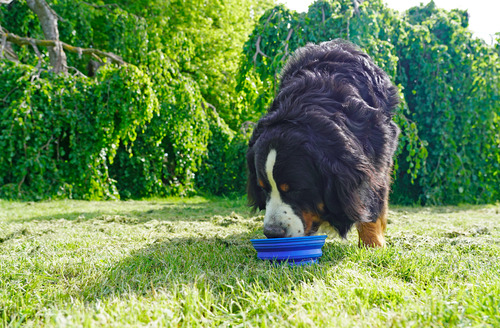
To encourage proper hydration, clean your dog’s bowl daily and refill it with fresh water. Stainless steel or ceramic bowls are easier to keep clean and less likely to harbor bacteria than plastic bowls. If your dog spends time outdoors, ensure water bowls are placed in shaded areas during summer and protected from freezing in winter. For dogs that love adventure, consider bringing a collapsible travel bowl and bottled water on hikes or road trips.
What Are the Symptoms of Dog Dehydration?
Catching dog dehydration early can make all the difference. The signs may be subtle at first, but quick recognition helps prevent it from becoming more serious. Common signs include:
- Dry or sticky gums
- Sunken eyes
- Lethargy or weakness
- Loss of skin elasticity (skin doesn’t quickly return to place when gently pulled)
- Excessive panting
These symptoms can develop gradually, especially in active dogs or during warmer months. If you notice any of these signs, contact your veterinarian for guidance. Staying alert to changes in your dog’s behavior like refusing water or appearing tired after minimal exercise can help you act before dehydration worsens.
Adjust Water Intake Based on Weather and Activity
Colorado Springs experiences a wide range of weather conditions, from dry summers to cold, windy winters. Because of that, pet owners need to adapt their dogs’ hydration routines throughout the year.
During Warm Weather
Dogs naturally pant more in the heat, which increases water loss. Bring water on every walk or outdoor outing, and schedule exercise during cooler parts of the day. If your dog enjoys playing outside, create shaded areas and limit time on hot pavement, which can also cause overheating.
During Cold Weather
Cold air can be deceptively dehydrating. When the heat is on indoors, low humidity levels can cause your dog to lose moisture more quickly through respiration. Make sure water bowls don’t freeze outdoors and that your dog still drinks enough, even when they’re less active.
After Exercise or Play
Hydration is especially important after activity. Offer small, frequent sips of water instead of letting your dog drink too much too fast, which can lead to stomach discomfort. Keeping your pet hydrated helps maintain muscle function, prevents overheating, and supports recovery.
Incorporate Moisture into Your Dog’s Diet
Your dog’s diet can also help prevent dog dehydration, especially if they’re not enthusiastic drinkers. While dry kibble is convenient, it contains little moisture compared to wet or fresh food.
Food Options That Add Hydration
Canned dog food, fresh-cooked meals, or adding warm water or low-sodium broth to kibble can help increase moisture intake. Some dogs enjoy ice cubes or frozen treats made from safe ingredients like plain yogurt or broth, these can make hydration fun, especially during summer.
Treats and hydration-based food additions should always complement a balanced diet, not replace regular water intake. If you’re unsure which food options best support your dog’s hydration and health, consult your veterinarian for personalized guidance.
Make Hydration a Habit for Every Adventure
Whether you’re exploring local trails like Red Rock Canyon Open Space or spending a cozy afternoon indoors, consistency is key. Build hydration into your dog’s daily routine so it becomes second nature.
Create a Hydration Schedule
Establishing a schedule helps dogs stay hydrated throughout the day. Offer water first thing in the morning, after meals, and after play sessions or walks. You can even use a pet water fountain to encourage drinking. Many dogs are drawn to the movement and sound of flowing water.
Traveling with Your Dog
If you’re traveling, pack enough water for the trip. Avoid letting your dog drink from puddles, lakes, or rivers, as these can contain harmful bacteria or parasites. Keeping a familiar water source helps maintain hydration safely, wherever you go.
Seasonal Tips for Preventing Dog Dehydration
Colorado’s high-altitude climate can be uniquely challenging for maintaining hydration. Here are a few extra tips tailored to the seasons:
- Spring: As temperatures rise, gradually increase your dog’s water intake to prepare for more outdoor activity.
- Summer: Keep outdoor time limited during peak heat hours and bring portable water bowls on walks.
- Fall: Cooler weather doesn’t mean less hydration. Dogs can still become dehydrated after hikes or runs.
- Winter: Use heated water bowls if your dog spends time outdoors, and monitor their intake since cold weather can reduce thirst.
Being proactive in every season helps maintain your pet’s comfort and energy, no matter the weather.
When Should You Contact Your Veterinarian at Cheyenne Mountain?
If you ever suspect dog dehydration or notice symptoms that don’t resolve after offering water, contact Cheyenne Mountain Animal Hospital. Dehydration can sometimes signal an underlying condition that needs professional attention. Your veterinary team can assess hydration levels, identify potential causes, and recommend care tailored to your dog’s needs. Even if your pet seems fine, annual wellness exams are a great opportunity to discuss hydration, nutrition, and preventive care.
Support Your Dog’s Health with Proper Hydration
Preventing dog dehydration isn’t just about summer safety, it’s an all-year commitment that supports your dog’s comfort and vitality. With fresh water, seasonal awareness, and a hydration-friendly diet, you can help your pet thrive through every adventure. For questions about your dog’s hydration habits or overall wellness, contact Cheyenne Mountain Animal Hospital in Colorado Springs, CO at (719) 475-1314 or book an appointment online. Our team is here to help your pet stay healthy, happy, and hydrated in every season.