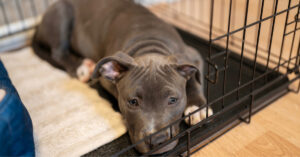

Every dog has off days. Just like people, dogs can sometimes seem a little less energetic or less enthusiastic about their usual activities. But when a dog’s low energy persists, or when it appears suddenly and seems out of character, it can be a sign that something more significant is happening. Dog lethargy is one of the most common concerns that brings pet owners into the veterinary office, and for good reason. It can be a symptom of a wide range of conditions, from minor and temporary illnesses to serious medical problems that require immediate attention. Knowing the difference between a tired dog and a lethargic dog, and understanding when to call the vet, is critical knowledge for every dog owner.
What Does Lethargy in Dogs Actually Look Like?
Lethargy in dogs is more than just being tired after a long walk or a play session. A lethargic dog tends to be unusually inactive or unresponsive even when nothing physically demanding has taken place. They may show little interest in things that normally excite them, such as food, toys, walks, or social interaction with family members. A lethargic dog may also sleep more than usual, move slowly, seem weak, or appear disoriented or confused.
The key distinction between normal tiredness and true lethargy is persistence and context. If your dog took a long hike yesterday and is resting today, that’s normal. If your dog has been sluggish for more than 24 to 48 hours without an obvious explanation, that is worth investigating with a veterinary professional.
Lethargy vs. Normal Tiredness: How to Tell the Difference
Normal tiredness follows physical or mental exertion and resolves with rest. Dog lethargy, by contrast, is a sustained, low-energy state that doesn’t improve the way normal fatigue would. A tired dog might nap for a few hours after a strenuous outing but then bounce back to their usual self. A lethargic dog remains subdued even after adequate rest and doesn’t respond normally to stimulation. You might notice your dog isn’t interested in greeting you at the door, doesn’t react to the sound of their leash, or seems to look through you rather than at you. These behavioral changes, particularly when combined with other symptoms like vomiting, diarrhea, or loss of appetite, should prompt a call to your veterinarian.
What Causes Lethargy in Dogs?
Dog lethargy is a symptom, not a diagnosis, which means it can result from a broad spectrum of underlying causes. Some of these causes are minor and short-lived, while others are more serious and require prompt veterinary attention.
Common Causes of Sudden Lethargy in Dogs
Sudden lethargy in a dog, particularly when accompanied by other symptoms, is often caused by illness, infection, or injury. Common culprits include viral or bacterial infections, tick-borne diseases such as Lyme disease or Rocky Mountain spotted fever, gastrointestinal problems, and poisoning from ingesting a toxic substance.
Dogs may also become lethargic following vaccinations, a reaction that is usually mild and short-lived. Pain from an injury or internal condition can also cause a dog to become quiet and withdrawn. If your dog’s lethargy came on suddenly and you cannot identify an obvious cause, it is always better to err on the side of caution and schedule a veterinary visit promptly.
Chronic Conditions That Can Cause Long-Term Lethargy
In some cases, persistent or recurring lethargy in dogs points to an ongoing health condition that needs management. Hypothyroidism, Addison’s disease, heart disease, anemia, diabetes, and cancer are all conditions that can cause a dog to seem consistently low-energy over time. Older dogs may also experience gradual energy decline related to arthritis or other age-related changes, which can sometimes be confused with simple aging.
If you notice that your dog has been less active than usual for several weeks or months, it is important to share that observation with your veterinarian. A thorough exam and appropriate diagnostics can help identify underlying conditions and set a course for treatment. Managing a chronic condition effectively can make a significant difference in your dog’s energy levels and quality of life.
Other Symptoms That Often Accompany Lethargy in Dogs
Lethargy rarely appears in isolation. Paying attention to any additional symptoms your dog is showing alongside low energy helps your veterinarian narrow down the possible causes more efficiently. Common accompanying symptoms include vomiting, diarrhea, loss of appetite, increased or decreased water consumption, difficulty breathing, pale or yellowish gums, swollen abdomen, and changes in urination habits.
Keep a mental or written note of when the lethargy started, whether it has been constant or intermittent, and any other behavioral or physical changes you’ve observed. This information is genuinely valuable to your vet and can help them make faster, more accurate diagnostic decisions. The more specific you can be about what you’ve observed, the better.
When Is Dog Lethargy a Medical Emergency?
Some presentations of lethargy require emergency veterinary care rather than a routine appointment. If your dog is lethargic and also has difficulty breathing, has collapsed or cannot stand, has pale, white, or blue gums, is experiencing uncontrolled vomiting or diarrhea, or appears to be in significant pain, you should go to a veterinary emergency clinic immediately. Similarly, if you suspect your dog has ingested a toxic substance and is showing lethargy alongside other symptoms, do not wait for a regular appointment. Rapid changes in consciousness, inability to recognize familiar people, or seizures accompanied by lethargy are also emergency-level warning signs. Trusting your instincts as a pet owner matters in these situations. If something feels seriously wrong, it almost always warrants urgent professional evaluation.
Your Veterinarian Is Your Best Partner in Your Dog’s Health
Because lethargy can be a sign of so many different conditions, a proper diagnosis requires professional evaluation. Your vet will likely perform a physical examination, review your dog’s history, and may recommend bloodwork, urinalysis, imaging, or other diagnostics depending on what they find. Early detection makes a meaningful difference in treatment outcomes for many conditions that cause lethargy in dogs. The team at Cheyenne Mountain Animal Hospital is experienced in evaluating all manner of health concerns in dogs and is committed to helping your pet feel their best. If your dog has been acting lethargic or you’ve noticed other changes in their behavior or physical condition, please don’t wait. Call us at (719) 475-1314 or book an appointment online today.