
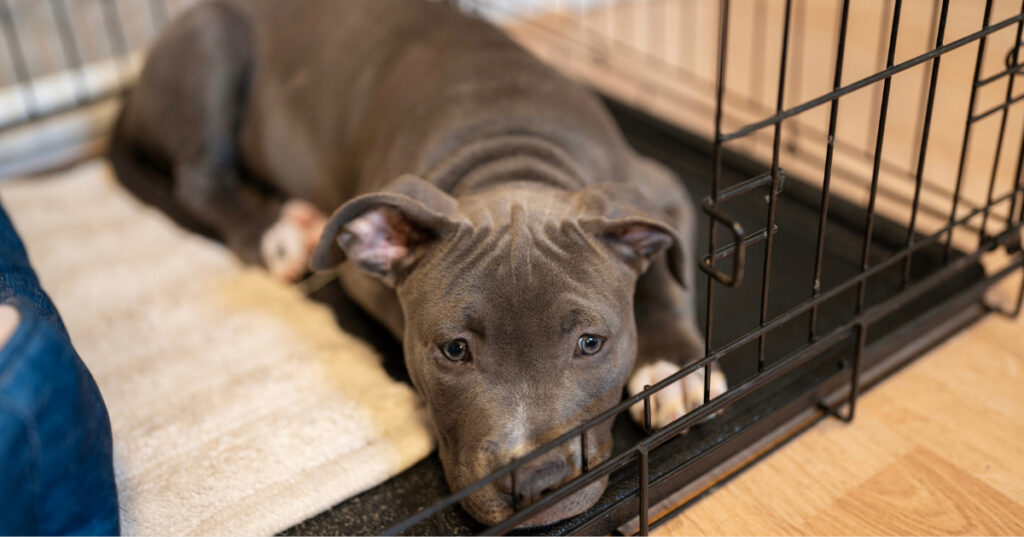
Crate training your puppy is one of the most valuable things you can do in those early weeks and months of pet ownership, and it doesn’t have to be a stressful experience for you or your new companion. When done thoughtfully and consistently, puppy crate training teaches your dog that their crate is a safe, comfortable retreat rather than a punishment. A well-crate-trained puppy is easier to housebreak, less likely to develop destructive behaviors, and more capable of self-soothing when left alone. Whether you’re brand new to raising a puppy or looking to refine your approach, these six practical tips will help you build a positive crate training experience from the very beginning.
Tip 1: Choose the Right Crate Size
One of the most common mistakes new puppy owners make is selecting a crate that is either too large or too small for their dog. The right crate should be just big enough for your puppy to stand up, turn around, and lie down comfortably. If the crate is too large, your puppy may use one corner as a bathroom area, which undermines the housebreaking benefits of crate training.
If you have a large-breed puppy that will grow significantly, consider purchasing an adult-sized crate with a divider panel that can be adjusted as your puppy grows. This approach is cost-effective and ensures the crate remains an appropriately sized space throughout the puppy phase. Always measure and research your specific breed’s expected adult size before purchasing a crate to make sure you’re investing in something that will serve your dog long-term.
Tip 2: Make the Crate a Comfortable, Inviting Space
Your puppy’s crate should feel like a cozy den, not a barren cage. Line the bottom of the crate with a soft blanket or a crate pad to make it physically comfortable, and consider adding an item that carries your scent, such as a worn t-shirt, which can help soothe an anxious puppy. Some puppies find comfort in a crate-safe chew toy or a snuffle mat that gives them something to do when they’re resting in the crate.
Position the crate in an area of your home where the puppy can see and hear family activity, particularly during the early stages of training, so they don’t feel isolated. Avoid placing the crate in direct sunlight, near heating or cooling vents, or in high-traffic areas where sudden noises might startle your puppy. A well-placed, comfortably equipped crate will make your puppy far more willing to spend time inside it.
Tip 3: Introduce the Crate Gradually
Crate training works best when it is introduced slowly and with plenty of positive reinforcement. Forcing a puppy into a crate and shutting the door before they’re ready can create fear and anxiety that makes the entire training process harder. Start by leaving the crate door open and allowing your puppy to investigate it freely. Toss treats or a favorite toy inside to encourage your puppy to enter on their own terms.
Once your puppy is comfortable going in and out voluntarily, begin closing the door for very short periods while you remain nearby. Gradually increase the amount of time the door stays closed as your puppy demonstrates comfort with being inside. Patience during this phase pays significant dividends down the road.
Using Positive Reinforcement Effectively
Positive reinforcement is the foundation of successful puppy crate training. Every time your puppy enters the crate voluntarily, engages calmly inside, or exits without distress, mark the behavior with praise, a small treat, or both. Avoid using the crate as a place of punishment, as this will quickly teach your puppy to associate the crate with negative emotions. Keep training sessions short and upbeat, particularly in the beginning, and always end on a positive note. High-value treats reserved specifically for crate training can make the crate feel extra special to your puppy. Over time, your puppy will begin to seek out the crate on their own as a place of comfort and rest.
Tip 4: Establish a Consistent Daily Routine
Puppies thrive on routine, and building crate time into a predictable daily schedule helps your puppy understand when to expect periods of rest. A good puppy crate training routine generally includes crate time after meals, during naps, and at nighttime. Young puppies typically need to nap several times throughout the day, and the crate is an ideal place for these rest periods because it keeps them safe and helps build their comfort with confinement.
Consistent crate use also supports housebreaking, as puppies instinctively avoid eliminating where they sleep. Keep mealtimes and crate times at roughly the same times each day so your puppy can anticipate the rhythm of their day. A predictable routine reduces anxiety in puppies and makes crate training a much smoother process overall.
Tip 5: Know How Long Is Too Long
It is important to understand the limits of how long a puppy can reasonably be expected to stay in a crate. Puppies have small bladders and limited ability to hold their elimination, and exceeding their physical capacity leads to accidents in the crate, which sets back housebreaking progress. A useful general guideline is that puppies can hold their bladder for approximately one hour per month of age, up to a maximum of four to five hours for dogs under one year.
Nighttime crating is a bit different, as puppies often sleep longer between bathroom breaks at night. During the day, puppies should not be crated for extended periods without a break for exercise, elimination, and interaction. If your schedule requires your puppy to be alone for long stretches, consider hiring a dog walker or asking a trusted neighbor to provide midday breaks.
Tip 6: Be Patient and Consistent Throughout the Process
Crate training a puppy is a process that takes time, and some puppies take to it more readily than others. Consistency from everyone in the household is essential: if one family member allows the puppy to exit the crate on demand when they whine, it undermines the training work done by everyone else. Expect some protest, especially in the early days, and avoid the temptation to open the crate door in response to whining, as doing so teaches the puppy that noise gets results. Wait for a moment of quiet before opening the crate, even if it only lasts a second, to reinforce calm behavior.
Most puppies adjust to their crate within a few days to a couple of weeks when training is consistent and positive. If your puppy shows signs of significant anxiety around crating, or if you have broader concerns about their behavioral development, the veterinary team at Cheyenne Mountain Animal and Bird Hospital is here to help. Call us at (719) 475-1314 or book an appointment online.