Kennel cough in dogs is a contagious respiratory infection that causes a persistent, hacking cough, often described as sounding like a honking goose. While it’s sometimes compared to a human cold, this illness spreads quickly among dogs that come into close contact such as in kennels, dog parks, or grooming facilities. Fortunately, with proper preventive care and early veterinary attention, most dogs recover fully from kennel cough. If your dog spends time around other dogs in Colorado Springs, understanding what kennel cough is and how to prevent it can make a big difference in their health and comfort.
What Is Kennel Cough in Dogs?
Kennel cough, also known as canine infectious tracheobronchitis, is a respiratory infection caused by a combination of viruses and bacteria. The most common culprit is Bordetella bronchiseptica, but other viruses such as canine parainfluenza, canine adenovirus, and canine coronavirus can also play a role. These pathogens irritate the lining of the respiratory tract, leading to inflammation in the trachea and bronchi.
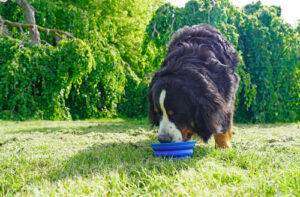
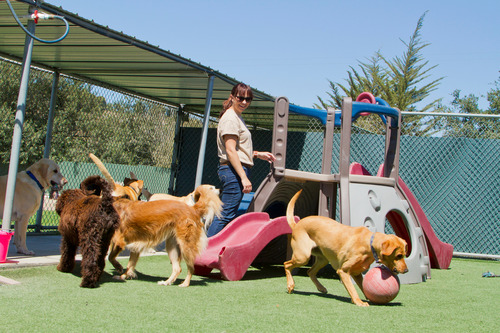
Dogs typically catch kennel cough when they inhale infectious respiratory droplets from other dogs. It spreads easily in environments where many dogs are housed or play together, like boarding facilities, daycare centers, or grooming salons. Because of this, even a quick sniff or shared water bowl can transmit the infection.
Recognizing the Symptoms of Kennel Cough
The most noticeable symptom of kennel cough in dogs is a dry, hacking cough that often sounds like your dog is trying to clear something from their throat. Other common signs include:
- Gagging or retching after coughing
- Mild nasal discharge
- Sneezing or watery eyes
- Tiredness or reduced energy
- Decreased appetite in some cases
While most dogs remain bright and alert despite their cough, it’s important to have them evaluated by your veterinarian at Cheyenne Mountain Animal Hospital to confirm the cause.
How Dogs Catch Kennel Cough
Kennel cough in dogs spreads through airborne droplets, direct contact, or contaminated surfaces. When an infected dog coughs or sneezes, microscopic droplets containing bacteria or viruses are released into the air. Another dog can easily inhale those particles or pick them up by sniffing toys, leashes, or bowls that have been contaminated.
Environments That Increase Risk
Certain environments make it easier for kennel cough to spread, especially those where many dogs gather:
- Boarding facilities or kennels: Shared air and close quarters allow for rapid transmission.
- Dog parks and daycares: Frequent nose-to-nose greetings can spread infection quickly.
- Training classes or grooming salons: Shared equipment and enclosed spaces contribute to risk.
Even short exposure to an infected dog can be enough to transmit the illness, particularly if your dog’s immune system is compromised, or they’re not vaccinated.
Diagnosing Kennel Cough in Dogs
Veterinarians diagnose kennel cough primarily through physical examination and a detailed history of recent exposure. During the exam, your veterinarian will listen to your dog’s lungs and gently press on their trachea. If this triggers a coughing fit, kennel cough is often suspected.
In some cases, additional diagnostic tests like chest X-rays or lab work may be recommended to rule out other causes of coughing, such as pneumonia, heart disease, or foreign objects lodged in the throat. At Cheyenne Mountain Animal Hospital, our veterinary team in Colorado Springs can assess your dog’s symptoms and provide care to help them recover comfortably.
Treatment Options for Kennel Cough
Most cases of kennel cough in dogs are mild and resolve on their own over a couple of weeks. However, supportive care is key to helping your dog feel better while their body fights off the infection.
Supportive Veterinary Care
Supportive treatment may include:
- Rest and reduced activity to allow the respiratory system to heal
- Plenty of hydration to keep the throat soothed and mucus thin
- Humidified air to ease irritation
- Nutritional support to maintain energy and immunity
If your veterinarian identifies a bacterial component, they may recommend antibiotics to shorten recovery time or prevent secondary infections. Cough suppressants or anti-inflammatory medications might also be prescribed to ease discomfort. Every dog’s recovery is different, so following your veterinarian’s recommendations and monitoring symptoms is important for a safe recovery.
Preventing Kennel Cough in Dogs
Prevention plays a major role in reducing the risk of kennel cough. Fortunately, there are several effective ways to protect your dog, especially if they frequently socialize or stay in boarding facilities.
Vaccinations for Kennel Cough
Vaccination remains one of the best defenses against kennel cough in dogs. The Bordetella bronchiseptica vaccine is widely available and may be given as a nasal spray, oral dose, or injection. While it doesn’t guarantee complete immunity, it greatly reduces the severity and duration of illness if your dog is exposed. Many boarding and daycare facilities in Colorado Springs require proof of Bordetella vaccination before allowing dogs to stay or play, which helps protect all pets in shared spaces.
Safe Socialization Practices
You can also lower your dog’s risk by practicing good hygiene and making thoughtful choices about where they interact with other pets.
- Choose reputable kennels and daycares that maintain strict cleaning and ventilation protocols.
- Avoid contact with coughing or ill dogs.
- Wash your hands and clean your dog’s toys, bowls, and bedding regularly.
- Keep up with regular wellness exams to monitor your dog’s health and immunity.
Your veterinarian at Cheyenne Mountain Animal Hospital can recommend a vaccination schedule and lifestyle plan tailored to your dog’s needs and risk level.
Recovery and Care After Kennel Cough
Recovery from kennel cough varies depending on your dog’s age, overall health, and the strain of infection. Mild cases usually improve within two to three weeks, while more persistent coughs may last longer.
Caring for Your Dog During Recovery
During recovery, minimize physical activity and exposure to other dogs. Coughing can worsen with excitement or exercise, so keeping your dog calm helps speed up healing. Provide a quiet, comfortable environment and maintain access to fresh water. Keep your dog away from boarding or grooming facilities until your veterinarian confirms they’re no longer contagious. Even when symptoms improve, dogs can still spread the infection for several days afterward.
When to Call Your Colorado Springs Veterinarian
If your dog’s cough lingers, worsens, or is accompanied by signs like lethargy, loss of appetite, or breathing difficulty, it’s important to reach out to your veterinarian. While kennel cough in dogs is often mild, it can sometimes progress to more serious respiratory conditions, especially in puppies, senior dogs, or dogs with weakened immune systems. The caring team at Cheyenne Mountain Animal Hospital can evaluate your dog and recommend the best course of action for their comfort and safety. Call (719) 475-1314 or book an appointment online to schedule an evaluation.
Helping Your Dog Stay Healthy Year-Round
Kennel cough in dogs is an inconvenience no pet owner wants to face, but with the right preventive measures, your dog can stay active and healthy all year long. Regular vaccinations, clean environments, and mindful socialization habits go a long way in protecting your pet from contagious illnesses.
Whether you need to update your dog’s Bordetella vaccine, discuss boarding readiness, or schedule a wellness visit, Cheyenne Mountain Animal Hospital in Colorado Springs is here to help. Call (719) 475-1314 today or book an appointment online to keep your dog’s tail wagging and their cough-free days ahead.