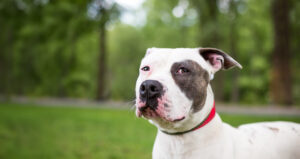
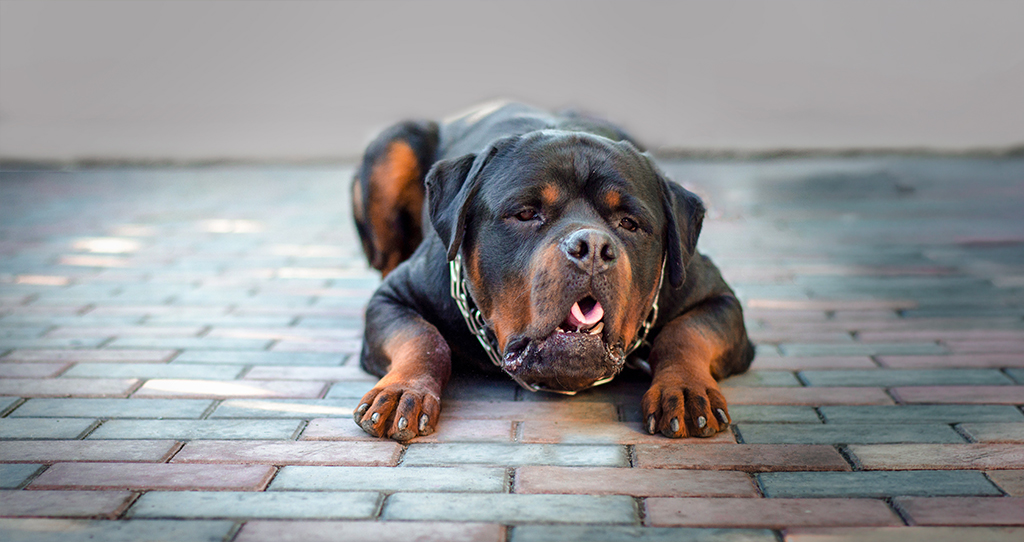
Dog vomiting is the forceful emptying of the stomach, and while a single episode after eating grass may pass quickly, repeated or severe vomiting can signal a serious problem. Early warning signs include drooling, lip licking, restlessness, and repeated swallowing, often minutes before your dog actually throws up. Knowing how to read these clues helps you decide whether to watch closely or call your veterinarian right away. Timing, frequency, and your dog’s overall energy level all shape that decision.
Every dog vomits occasionally, so a single upset stomach rarely means trouble. Still, dog vomiting ranks among the most common reasons owners seek veterinary care, and the cause can range from a garbage raid to a life-threatening blockage. The team at Cheyenne Mountain Animal Hospital in Colorado Springs put together this guide to help you recognize what’s normal, what isn’t, and how veterinarians get to the root of the problem.
What Is Vomiting in Dogs?
Vomiting is an active process where the abdominal muscles contract to push stomach or upper intestinal contents out through the mouth.
Vomiting vs. Regurgitation
Owners often use these terms interchangeably, but veterinarians treat them as separate problems. Regurgitation is passive. Food comes back up with little effort, usually shortly after eating, and often looks undigested and tube-shaped. There’s no heaving beforehand. True dog vomiting involves visible retching, abdominal contractions, and partially digested material. The distinction matters because regurgitation tends to involve the esophagus, while vomiting points toward the stomach, intestines, or a whole-body illness. Coughing up phlegm or gagging can also be mistaken for dog vomiting, yet those signs usually involve the throat or airways instead. Describing exactly what you saw helps your veterinarian sort out which system is involved.
Types of Vomit in Dogs
What comes up can offer helpful hints for your veterinarian. Common appearances include:
- Yellow foam or liquid: Bile, frequently seen when a dog vomits on an empty stomach
- White foam: Often linked to stomach irritation or nonproductive retching
- Undigested food: May follow eating too quickly or a sudden diet change
- Grass or foreign material: Suggests your dog ate something it shouldn’t have
- Red streaks or “coffee grounds” texture: Can indicate bleeding in the stomach or upper intestine
Snapping a quick photo of the vomit may feel unpleasant, but it gives your veterinary team useful information during the exam. Color alone can’t diagnose the cause, though. Two dogs with yellow vomit may have completely different conditions, which is why a professional evaluation matters when dog vomiting keeps happening.
Early Warning Signs and Common Causes of Dog Vomiting
Dogs usually show subtle signals before they vomit, and recognizing them gives you a head start.
Symptoms of Vomiting in Dogs
Watch for drooling, heavy lip licking, frequent swallowing, pacing, whining, or a sudden urge to eat grass. Many dogs seek out a quiet corner or stand with their head lowered. Once vomiting begins, you may also notice reduced appetite, lethargy, diarrhea, or a tender belly. Dehydration can develop quickly, especially in puppies, small breeds, and seniors. Tacky gums and sunken eyes are signs that fluid loss is becoming a concern. Pay attention to your dog’s posture as well. A dog that stretches into a “prayer position,” with the front legs down and hind end raised, may be experiencing abdominal pain. Pairing these observations with a record of each episode of dog vomiting gives your veterinarian a much clearer starting point.
Causes of Vomiting in Dogs
The list of possible triggers is long. Some of the most frequent causes of dog vomiting include:
- Dietary indiscretion, such as raiding the trash or eating table scraps
- Abrupt food changes or food intolerances
- Swallowed toys, socks, bones, or corn cobs that cause an obstruction
- Toxins like grapes, xylitol, chocolate, rodenticides, and certain plants
- Infections, including parvovirus in unvaccinated puppies
- Intestinal parasites
- Pancreatitis, often triggered by fatty foods
- Kidney disease, liver disease, or hormonal disorders like Addison’s disease
- Motion sickness during car rides
Acute vomiting comes on suddenly and often relates to something your dog ate. Chronic dog vomiting, which happens on and off for weeks, more often points to an ongoing condition such as inflammatory bowel disease or a food allergy. Both deserve attention, but chronic cases typically need a more detailed workup. Weekly or monthly dog vomiting is never something to dismiss as “just how my dog is,” even if your pup seems otherwise happy.
My Dog Is Vomiting. What Should I Do?
Start by staying calm and gathering information your veterinarian will need.
Observe and Take Notes
Write down when the vomiting started, how many times it has happened, and what the vomit looked like. Check your home and yard for anything your dog might have gotten into, such as chewed packaging, missing socks, spilled medications, or an open trash can. If you suspect a toxin, keep the product label handy. Don’t give any human medications or try to induce vomiting unless a veterinarian specifically directs you to, since some substances cause more damage coming back up and many common pain relievers are toxic to dogs.
When to Call the Vet
Some situations need immediate professional help. Contact your veterinarian or an emergency clinic right away if your dog:
- Vomits more than two or three times in a day, or keeps vomiting after a few hours
- Retches without producing anything, especially with a swollen belly, which can signal bloat (GDV)
- Has blood in the vomit or black, tarry stools
- May have eaten a toxin, medication, or foreign object
- Seems weak, collapses, or won’t drink water
- Is a puppy, a senior, or has an existing health condition
Bloat is a true emergency in large, deep-chested breeds like Great Danes, German Shepherds, and Standard Poodles. Minutes count. When in doubt, call. Your veterinary team would much rather hear from you about a minor episode than see a dog after a serious problem has progressed. After hours, the nearest emergency hospital can evaluate sudden or severe dog vomiting, and your regular veterinarian can handle follow-up care once your dog is stable.
How Veterinarians Diagnose and Treat Dog Vomiting
Finding the underlying cause is the key to stopping dog vomiting rather than simply masking it.
The Diagnostic Process
Your veterinarian begins with a detailed history and a full physical exam, including feeling the abdomen for pain, gas, or masses. Depending on what they find, the next steps might include bloodwork to check organ function and hydration, a fecal test for parasites, or a parvovirus test for young dogs. X-rays and ultrasound help identify foreign objects, obstructions, and changes in organs like the pancreas or liver. For chronic cases, additional testing such as endoscopy or biopsies may be recommended.
Treatment Options
Treatment depends entirely on the cause. Mild cases may respond to anti-nausea medication and a short-term prescription diet. Dehydrated dogs often need fluid therapy, either under the skin or through an IV during hospitalization. Toxin exposure may call for decontamination and specific antidotes. Obstructions frequently require surgery to remove the object before it damages the intestine. Infections, pancreatitis, and organ disease each have their own targeted treatment plans. Your veterinarian will walk you through the options, expected costs, and likely outcomes so you can make informed decisions for your dog.
Recovery and Management
Most dogs with simple stomach upset bounce back within a day or two. Dogs recovering from surgery or a serious illness need closer follow-up. Your veterinarian will explain which foods to offer during recovery, how to give any prescribed medications, and which signs should prompt a recheck. Dogs with chronic conditions may need long-term diet changes and periodic monitoring to keep flare-ups under control. Tracking any recurring dog vomiting in a simple log or phone note between visits helps your veterinarian judge whether the management plan is working.
Preventing Dog Vomiting and Partnering With Your Local Vet
Many episodes of dog vomiting are preventable with a few consistent habits. Secure trash cans, keep toxic foods out of reach, pick toys that can’t be swallowed, and transition to new foods gradually. Staying current on vaccines and parasite prevention protects against infections like parvovirus and intestinal worms. Routine wellness exams also help catch kidney, liver, and hormonal issues before they cause symptoms. For dogs prone to car sickness, ask your veterinarian about options before your next road trip into the mountains.
If your dog is vomiting or showing early warning signs, the veterinarians at Cheyenne Mountain Animal Hospital are here to help. Our team serves families across Colorado Springs with thorough diagnostics, compassionate care, and clear communication every step of the way. Cheyenne Mountain Animal Hospital can also help you build a prevention plan that fits your dog’s age, breed, and lifestyle. Call (719) 475-1314 to schedule an appointment.