Cats are known for their grooming habits, but those same habits can sometimes lead to an unpleasant side effect: the cat hairball. A cat hairball forms when your cat swallows loose fur during grooming, and instead of passing through their digestive tract, the fur collects in the stomach. When it becomes too large to move through, your cat will cough or vomit it up. While occasional cat hairballs are common, frequent ones could indicate an underlying issue that needs a veterinarian’s attention.
At Cheyenne Mountain Animal Hospital in Colorado Springs, CO, our team helps pet parents understand why cat hairballs happen and what can be done to manage them. If your cat seems to cough up hairballs more often than usual, call (719) 475-1314 or book an appointment online to have them checked by our veterinary team.
What Causes Hairballs in Cats?
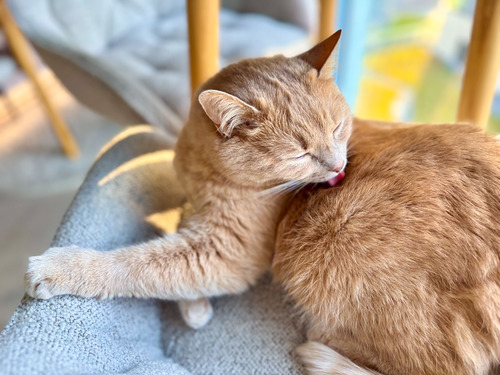
A cat hairball develops when your cat’s natural grooming process leads to swallowing too much fur. Cats’ tongues have tiny, hook-like structures that catch loose hair, which they often swallow while grooming. Most of this hair passes harmlessly through the digestive system, but sometimes it collects in the stomach or intestines instead.
Long-haired breeds such as Persians and Maine Coons are more prone to frequent cat hairballs because of their thick coats. However, even short-haired cats can experience them, especially during shedding seasons in the spring and fall. Overgrooming due to stress, skin irritation, or allergies can also increase the amount of hair your cat ingests.
Environmental and Seasonal Triggers
Changes in weather can trigger shedding, which means more loose fur for your cat to swallow. Regular grooming helps reduce shedding and prevents excess fur from accumulating on your cat’s coat.
Dietary and Health Factors
A cat’s diet also influences hairball formation. Low-fiber diets or dehydration can slow digestion, making it harder for swallowed hair to pass naturally. Digestive issues or intestinal blockages can also make a cat hairball more likely to form.
Recognizing Symptoms of Hairballs in Cats
Hairballs often make their presence known in obvious (and sometimes noisy) ways. Knowing what to watch for can help you recognize when it’s a simple hairball or something more concerning. Typical signs of a cat hairball include:
- Retching, gagging, or hacking sounds
- Vomiting cylindrical masses of fur
- Occasional loss of appetite before coughing up a hairball
- Temporary lethargy after expelling a hairball
If your cat frequently exhibits these signs or seems to struggle to bring up a hairball, it’s time to contact your veterinarian at Cheyenne Mountain Animal Hospital. Excessive retching without producing a hairball, persistent vomiting, or changes in eating habits can indicate a blockage or another digestive issue that needs medical attention.
When a Hairball Might Signal Something More
A hairball that doesn’t pass can sometimes lead to intestinal obstruction. If your cat stops eating, has diarrhea or constipation, or shows signs of distress, schedule an appointment with our team immediately. It’s always better to have your veterinarian evaluate any ongoing symptoms related to cat hairballs rather than waiting them out.
How to Help Prevent Cat Hairballs
While hairballs can’t always be eliminated, they can often be managed through consistent care. Prevention focuses on reducing the amount of fur your cat swallows and supporting their digestive health so hair can pass naturally.
- Regular Grooming: Routine brushing removes loose fur before your cat can ingest it. Short-haired cats typically benefit from weekly brushing, while long-haired breeds may need daily attention. Professional grooming can also help control shedding, especially during seasonal coat changes.
- Provide Proper Hydration: Water helps move hair through the digestive tract. Make sure your cat has access to fresh, clean water at all times. Many cats prefer running water, so a pet water fountain may encourage more frequent drinking.
- Encourage a Balanced Diet: A healthy diet rich in fiber supports digestion and helps hair move through the intestines instead of collecting in the stomach. Your veterinarian can recommend a cat food formula that supports digestive health and reduces hairball formation.
How Veterinarians Evaluate Frequent Hairballs
If your cat experiences hairballs regularly, your veterinarian will want to determine whether something else may be contributing to the problem. During an exam at Cheyenne Mountain Animal Hospital, our team may perform a physical assessment and ask questions about your cat’s diet, environment, and grooming habits.
Diagnostic Evaluation
In some cases, diagnostics such as X-rays or bloodwork may be recommended to rule out gastrointestinal issues, allergies, or other conditions that can cause excessive grooming or difficulty passing fur.
Personalized Care Recommendations
After identifying potential causes, your veterinarian can suggest dietary adjustments, grooming schedules, or environmental changes to help your cat manage their cat hairball problem more effectively.
Understanding When Hairballs Are Normal and When They Aren’t
Occasional cat hairballs are a normal part of feline life. Most cats will cough one up every few weeks without issue. However, if your cat seems to be coughing frequently or producing hairballs every few days, it could signal a larger problem. Cats that groom excessively because of anxiety, allergies, or skin irritation are at higher risk of frequent hairballs. Behavioral patterns like licking one area repeatedly or pulling out fur are also worth mentioning to your veterinarian.
Managing Stress and Overgrooming
Environmental enrichment can help reduce overgrooming. Provide scratching posts, climbing spaces, and toys to redirect your cat’s energy. Minimizing household stress and maintaining consistent routines can also make a difference in reducing cat hairball frequency.
The Role of Diet and Digestion in Hairball Control
Digestive health plays a central role in managing hairballs. Cats rely on a strong, balanced gut to move hair efficiently through the digestive tract.
Fiber for Natural Passage
Dietary fiber adds bulk and encourages regular bowel movements, which help your cat pass hair naturally rather than coughing it up. Many commercial cat foods designed for hairball control contain added fiber for this reason.
Essential Fatty Acids and Skin Health
Omega-3 and omega-6 fatty acids promote healthy skin and a soft, low-shedding coat. These nutrients can help minimize loose hair and make grooming more efficient. Discuss dietary supplements with your veterinarian to see if they’re right for your cat.
The Importance of Quality Nutrition
Feeding your cat high-quality, easily digestible food supports their overall health and helps prevent cat hairballs from forming. Your veterinarian can guide you in selecting a diet that fits your cat’s needs, age, and lifestyle.
When to Schedule a Visit at Cheyenne Mountain Animal Hospital
If your cat’s hairballs seem to be increasing in frequency, or if you notice changes in their appetite, grooming, or behavior, it’s time for a professional evaluation. Our team at Cheyenne Mountain Animal Hospital in Colorado Springs, CO, can assess your cat’s health, discuss diet and grooming strategies, and rule out any underlying issues that may be contributing to frequent cat hairballs. We’re committed to helping your cat feel comfortable and stay healthy with compassionate, knowledgeable care. To schedule an appointment, call (719) 475-1314 or book online today.