
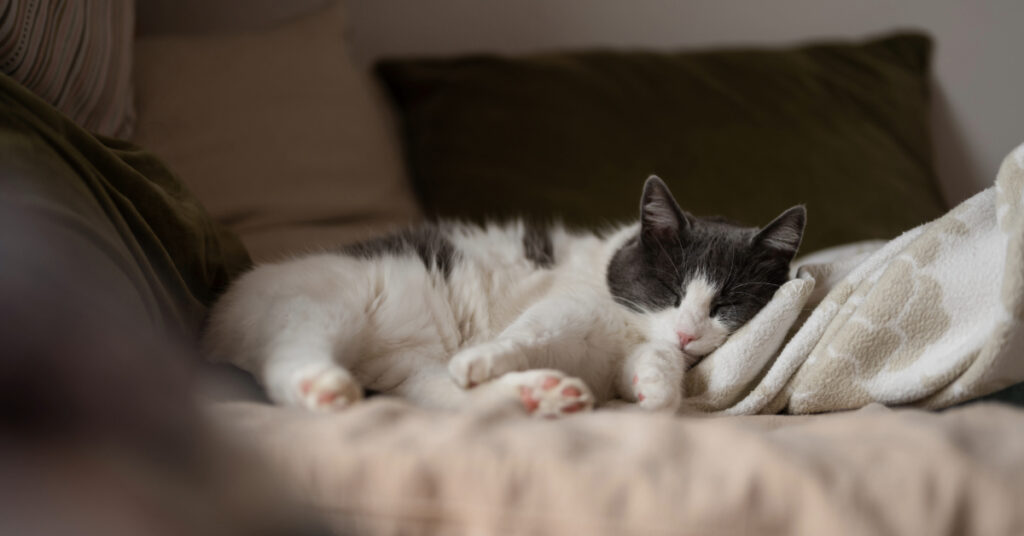
Cat lethargy symptoms include low energy, excessive sleeping, reduced interest in food or play, and a general “shutting down” that’s noticeably different from your cat’s normal rhythm. Maybe your usually demanding cat hasn’t asked for breakfast at 6 a.m. in days, or your social butterfly has been holed up under the bed since the weekend. Because cats are experts at hiding discomfort, these quiet changes are often the loudest signal you’ll get that something’s wrong, and learning to read them can mean catching a health issue while it’s still easy to treat.
What Does Lethargy Look Like in Cats?
Every cat has a different baseline activity level, which is what makes lethargy tricky to spot. Generally, lethargic cats sleep more than usual, show less interest in toys or interaction, move slowly or reluctantly, and may hide more than normal. Cat lethargy symptoms can appear gradually over weeks or show up suddenly within a day, and the timeline often offers clues about the underlying cause.
Common Causes of Lethargy in Cats
Identifying why a cat has become lethargic requires looking at the whole picture, including age, appetite, litter box habits, and any recent changes at home.
Infections and Illness
Viral or bacterial infections, including upper respiratory infections, can leave cats feeling run-down and uninterested in their usual activities. Lethargy paired with sneezing, discharge, or fever often points toward an infectious cause.
Kidney Disease
Chronic kidney disease is common in middle-aged and senior cats and frequently presents with lethargy, increased thirst, and changes in litter box habits. Because kidney disease progresses gradually, early lethargy can be subtle.
Dental Pain
Cats with dental disease often become quieter and less active simply because eating and grooming have become painful. Cat lethargy symptoms tied to dental issues may also include drooling or reduced appetite.
Diabetes
Diabetic cats can show lethargy alongside increased thirst, increased urination, and weight changes despite a normal or increased appetite. Untreated diabetes tends to make lethargy more pronounced over time.
Anemia
A drop in red blood cells, whether from internal bleeding, parasites, or chronic disease, reduces the oxygen reaching a cat’s tissues and commonly results in noticeable lethargy and pale gums.
Stress and Environmental Changes
New pets, moving homes, or changes in routine can cause temporary lethargy in cats as they adjust. While this type of lethargy is usually short-lived, it’s still worth monitoring closely.
How to Tell the Difference Between Normal Rest and Concerning Lethargy
Cats sleep a large portion of the day, so distinguishing typical rest from a health concern matters. These signs suggest lethargy may be more than just a lazy day:
- Reduced interest in food or water for more than 24 hours
- Hiding more than usual or avoiding family members
- Noticeable weight loss or a change in coat condition
- Changes in litter box habits, including straining or accidents outside the box
- Lethargy that lasts more than a couple of days without improvement
When Lethargy in Cats Becomes an Emergency
Some causes of cat lethargy symptoms require urgent attention rather than a scheduled visit:
- Lethargy combined with labored breathing or open-mouth breathing
- Complete loss of appetite for more than 24 hours, especially in overweight cats
- Straining to urinate with little or no urine produced, particularly in male cats
- Pale or white gums, which can indicate anemia or shock
- Sudden collapse or inability to stand
How Cheyenne Mountain Animal Hospital Diagnoses Lethargy in Cats
Because lethargy is a symptom rather than a diagnosis on its own, our veterinarians take a thorough approach that includes a physical exam, bloodwork, and urinalysis to evaluate organ function, blood cell counts, and signs of infection. Depending on initial findings, additional imaging or specialized testing may be recommended. Cheyenne Mountain Animal Hospital tailors diagnostics to each cat’s age, history, and symptom pattern to identify the root cause efficiently.
Supporting Senior Cats and At-Risk Breeds
Older cats and certain breeds are more prone to conditions that cause lethargy, including kidney disease and hyperthyroidism in seniors or hypertrophic cardiomyopathy in breeds like Maine Coons. Routine wellness visits become especially valuable for these cats, since bloodwork can catch early changes in organ function before lethargy becomes severe.
Helping Cat Owners in Colorado Springs Recognize the Signs Early
Because cats are masters at hiding illness, lethargy is often the first and most obvious clue that something is wrong. Trusting your instincts when your cat seems “off” can make a real difference in catching health issues early. If your cat’s energy level has changed and you’re not sure why, Cheyenne Mountain Animal Hospital can help determine what’s behind it and guide the next steps for their care. Call (719) 475-1314 or book an appointment online!