Have you ever noticed your dog drooling and wondered, “Why is my dog drooling so much?” A sudden uptick in drooling is usually harmless, tied to excitement, motion sickness, or a hot afternoon, but it can also be your dog’s way of signaling dental pain, nausea, or another issue worth a closer look. Maybe you’ve noticed a damp patch on the couch cushion or a perpetually wet chin that wasn’t there last month, and now you’re wondering whether this is just “their thing” or something new. At Cheyenne Mountain Animal Hospital, the answer almost always comes down to context: what’s typical for your dog, and what’s changed.
What Counts as Normal Drooling in Dogs?
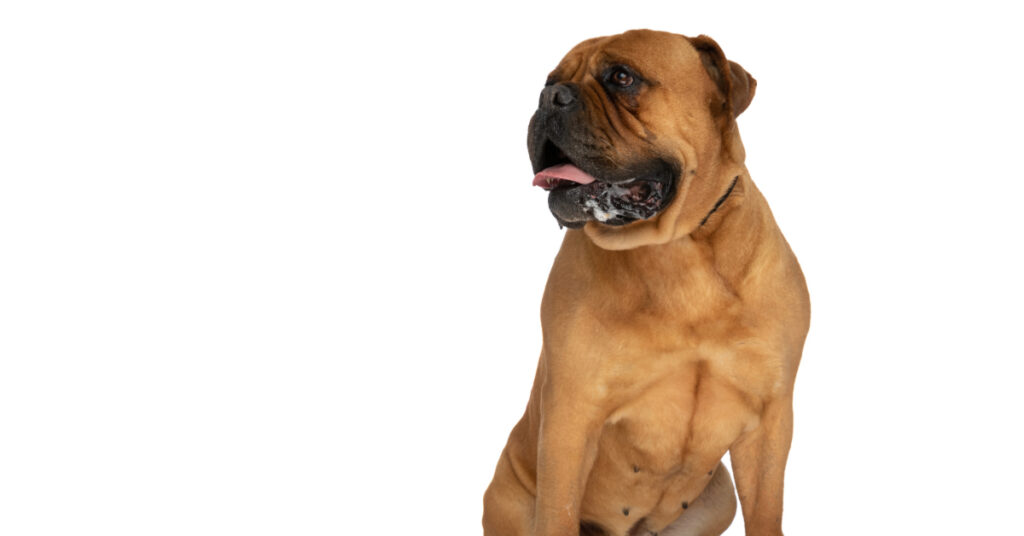
Some drooling is completely normal, especially in certain breeds. Dogs with loose jowls, like Mastiffs, Bloodhounds, and Saint Bernards, naturally drool more than breeds with tighter lips. It’s also common for dogs to drool briefly when they smell food, see a favorite treat, or get excited. This baseline drooling is harmless and doesn’t usually change much from day to day.
Why Is My Dog Drooling So Much All of a Sudden?
When drooling increases suddenly or seems out of character, it’s often the body’s response to stress, irritation, or illness. Below are some of the most common reasons dogs drool more than usual.
Dental Disease and Mouth Pain
Dental disease is one of the leading causes of excessive drooling in dogs. Broken teeth, gum infections, or oral tumors can all make a dog produce more saliva, often paired with bad breath or reluctance to eat hard food.
Nausea and Gastrointestinal Upset
Dogs that feel nauseated, whether from motion sickness, eating something that disagreed with them, or an underlying digestive issue, frequently drool heavily right before or during a bout of vomiting.
Heat and Overexertion
On warm days, panting and drooling both increase as your dog tries to cool down. In Colorado Springs’ higher elevation and intense summer sun, dogs can overheat faster than owners expect, especially during exercise.
Anxiety and Stress
Car rides, vet visits, thunderstorms, and unfamiliar environments can all trigger stress-related drooling. This type of drooling often comes with pacing, panting, or whining.
Exposure to Toxins or Irritants
Drooling that comes on suddenly and heavily can be a sign your dog has licked, chewed, or eaten something toxic, irritating, or bitter-tasting. This is considered an urgent situation.
Oral or Throat Obstructions
A foreign object stuck in the mouth or throat, such as a stick, bone fragment, or string, can cause sudden, heavy drooling along with gagging or pawing at the mouth.
Signs That Drooling Has Become a Problem
Because some drooling is normal for many dogs, it helps to know which accompanying symptoms suggest something more is going on:
- Drooling combined with vomiting, retching, or loss of appetite
- Foul-smelling breath or visible redness and swelling in the mouth
- Pawing at the face or rubbing the mouth on furniture or the floor
- Drooling that started abruptly with no clear trigger
- Lethargy, restlessness, or signs of distress alongside the drooling
When Should You Call the Vet About Dog Drooling?
If your dog’s drooling seems excessive, sudden, or paired with any of the warning signs above, it’s time to reach out to Cheyenne Mountain Animal Hospital. Drooling caused by toxin exposure, an obstruction, or significant dental disease often needs prompt evaluation, while drooling tied to anxiety or mild nausea may be more manageable with guidance from your veterinarian.
How Cheyenne Mountain Animal Hospital Evaluates Excessive Drooling
Our veterinary team starts by reviewing your dog’s history and recent activities, since drooling triggers can range from a stressful car ride to something swallowed in the backyard. A full oral exam checks for dental disease, foreign objects, or abnormal growths, and additional diagnostics like bloodwork may be recommended if nausea, toxin exposure, or a systemic illness is suspected. Pinpointing the cause allows our veterinarians to recommend the most appropriate path forward for your dog.
What Pet Owners Should Watch for Day to Day
Paying attention to your dog’s normal drooling baseline makes it easier to notice when something changes. A dog that occasionally drools over a steak dinner is very different from a dog that suddenly can’t stop drooling at rest. Tracking when the drooling happens, what your dog was doing beforehand, and whether other symptoms are present gives our veterinarians valuable information during your visit.
Helping Your Dog Stay Comfortable in Colorado Springs
If you’re wondering, “Why is my dog drooling so much?”, it’s one of those symptoms that can mean almost nothing or something quite important, depending on the context. If your dog’s drooling has changed recently or doesn’t match their usual pattern, Cheyenne Mountain Animal Hospital is ready to help you sort out the cause and make sure your dog stays healthy and comfortable. Call (719) 475-1314 or book an appointment online.